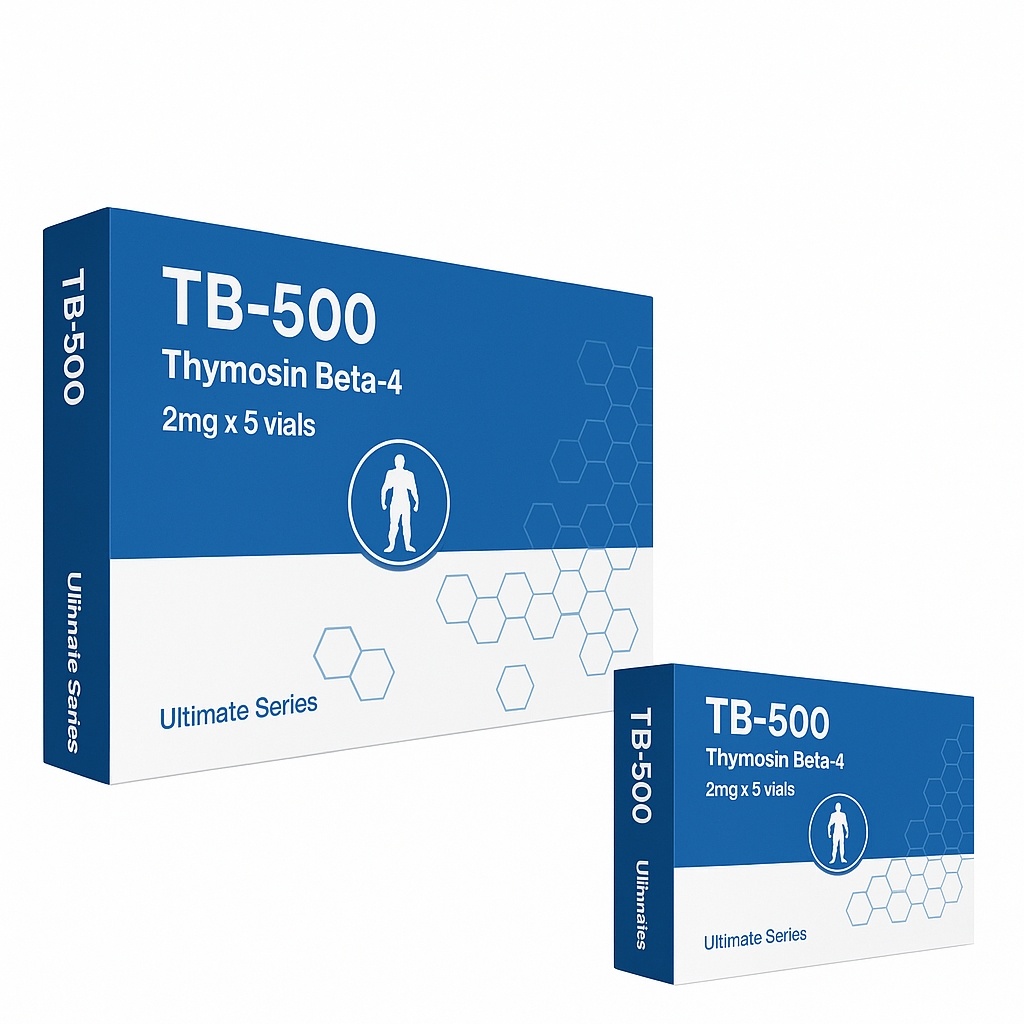
Thymosin Beta-4 (TB-500) 12mg | 5mg | 10mg
$ 97.68
Thymosin Beta-4 (TB-500): The Ultimate Peptide for Tissue Repair, Recovery, and Regeneration Thymosin Beta-4, commonly known as TB-500, is one of the most extensively studied regenerative peptides in modern biomedical research. A naturally occurring protein found in nearly all human and animal cells, TB-500 plays a critical role in tissue building, repair, and protection. Synthetic TB-500 replicates the active region of this protein, delivering powerful healing and recovery benefits for research applications. What Is Thymosin Beta-4 (TB-500) and How Does It Work? TB-500 is a synthetic version of a 43-amino-acid peptide derived from Thymosin Beta-4, a protein naturally produced by the thymus gland. It primarily works by upregulating actin — a protein essential for cell structure and movement. By modulating actin, TB-500 accelerates the migration of cells to sites of injury, facilitating faster healing and regeneration across multiple tissue types. The Science Behind TB-500’s Regenerative Mechanism At the molecular level, TB-500 binds to actin monomers and regulates their polymerization, enabling rapid cell proliferation and migration. This mechanism underpins its ability to: Promote the growth of new blood vessels (angiogenesis) Reduce inflammation at injury sites Stimulate keratinocyte and endothelial cell migration Enhance the production of extracellular matrix proteins Support myoblast differentiation for muscle repair Key Research Benefits of TB-500 Peptide TB-500 has been the subject of numerous preclinical studies that highlight its wide-ranging therapeutic potential. Below are the core research-backed benefits that make TB-500 one of the most sought-after peptides in regenerative science. Accelerated Muscle and Tendon Recovery Research shows that TB-500 significantly reduces recovery time following muscle tears, tendon injuries, and ligament damage. Its ability to enhance actin-driven cell migration allows damaged tissue to rebuild faster than through natural healing alone. Studies in animal models have demonstrated accelerated repair of skeletal muscle, tendons, and connective tissue following acute injuries. Potent Anti-Inflammatory Properties Chronic inflammation is one of the leading drivers of delayed healing and tissue degradation. TB-500 modulates the body’s inflammatory response by downregulating pro-inflammatory cytokines and supporting the resolution phase of inflammation. This makes it a compelling research compound for exploring treatments in inflammatory conditions affecting joints, muscles, and soft tissue. Enhanced Wound Healing and Skin Repair One of the most well-documented effects of TB-500 is its ability to accelerate wound closure and skin repair. By stimulating keratinocyte and endothelial cell migration, TB-500 promotes the formation of new skin and blood vessels in damaged tissue areas. This property positions it as a highly valuable research tool in dermatology and wound-care science. Pharmaceutical-Grade Purity and Quality Assurance Our TB-500 peptide is manufactured under strict quality control standards to ensure maximum purity and research reliability. Every batch is independently tested to deliver consistent, reproducible results for your research applications. Product Specifications Purity: ≥99% (HPLC verified) Molecular Formula: C₂₁₂H₃₅₀N₅₆O₇₈S Molecular Weight: 4963.5 Da Appearance: White lyophilized powder Storage: Store at −20°C; stable for 24 months when lyophilized Reconstitution: Sterile bacteriostatic water recommended CAS Number: 77591-33-4 TB-500 Research Applications and Scientific Interest Thymosin Beta-4 continues to attract significant attention across multiple fields of biomedical research. Its multi-targeted mechanism makes it relevant to a broad spectrum of scientific disciplines, including: Sports medicine and orthopedic injury repair Cardiac research — studies suggest TB-500 may promote cardiomyocyte survival post-ischemia Neurological research — early studies indicate a role in neural repair and brain injury recovery Ophthalmology — corneal repair and dry eye syndrome Dermatology — chronic wound healing and scar reduction